EEA is committed to designing comfortable and sustainable facilities, providing the support services necessary to see these designs to reality and ensure a quality final...
-
 EEA has been the prime consultant and lead MEP engineer on public and private sector central plant projects ranging from a few hundred tons to...
 -
EEA understands the pressures on commercial property owners to keep operating expenses low while providing healthy and adaptable working environments for their occupants. We...
-
The idea is the same: build a room that can house all of the computing power necessary for a client. As the processing capability of...
-
Design and construction in higher education facilities must result in spaces that are safe, highly functional, and efficient. They must serve to support and enhance...
-
EEA’s government and military project experience runs the gamut from energy audits and commissioning to full-service MEP design. We know that a deep understanding...
-
EEA’s government and military project experience runs the gamut from energy audits and commissioning to full-service MEP design. We know that a deep understanding...
-
The electronics industry continues to transform our lives. At the heart of these technological leaps are integrated circuits that are getting smaller, faster, and more...
-
EEA has been providing engineering services to industrial and manufacturing clients for over 25 years. We often serve in the prime consultant role over a...
-
Advancements in modern medicine have given us access to life improving, and lifesaving, drugs and other biological products. This has made time to market and...
-
We have been solving our retail client’s issues for over 15 years. Our dedicated team provides construction site surveys, MEP design, end of project commissioning,...
-
Austin headquartered EEA Consulting Engineers is licensed in all 50 states and the District of Columbia for MEP engineering (mechanical, electrical, and plumbing) services, energy...
-
EEA’s government and military project experience runs the gamut from energy audits and commissioning to full-service MEP design. We know that a deep understanding...
Designing Modern Performance Into Historic Structures
Historic buildings were never designed for contemporary occupancy loads, ventilation standards, life safety systems, or energy codes. Yet today’s users expect comfort, efficiency, and performance equal to new construction.
At EEA, we specialize in integrating modern MEP systems into historic structures—without compromising historic character while complying with preservation requirements and project economics.
Adaptive reuse requires close coordination, technical precision, and creative problem-solving within fixed structural and architectural constraints. Our role is to make historic buildings perform for the future while protecting the history that makes them worth preserving.
The Engineering Reality of Adaptive Reuse
Historic buildings present limitations that do not exist in new construction. Ceiling cavities are minimal or nonexistent. Floor-to-floor heights are fixed. Masonry walls restrict penetrations. Structural capacity may limit equipment placement. Ornate plaster, decorative ceilings, and protected façades reduce routing flexibility.
We design solutions within these constraints, not around them.
Our process begins by understanding the historic significance, followed by thorough documentation of existing conditions and early collaboration with the architectural team. We identify viable routing paths, assess structural impacts, evaluate preservation boundaries, and anticipate construction-phase challenges before system concepts are finalized. In buildings that are 80 to 120 years old, unknown conditions are inevitable. Planning for them protects the schedule and budget.
System selection is intentional. We design compact, high-performance mechanical and electrical systems suited for constrained environments and develop distribution strategies that minimize intrusion into significant architectural spaces. When concealment is possible, we preserve historic fabric. When exposure is necessary, we collaborate with architects to integrate systems as deliberate and compatible design elements.
Code Compliance & Preservation Coordination
Adaptive reuse projects often involve layered regulatory restrictions, including local, state, and federal historic preservation requirements and tax credit compliance. Energy code pathways frequently require performance-based strategies when exterior restrictions limit prescriptive options.
We support the design team through code interpretation, documentation, and coordination with Authorities Having Jurisdiction. Our understanding of both technical compliance and preservation standards allows projects to advance without unnecessary redesign or delays.
Energy Performance Within Historic Constraints
Exterior upgrades are frequently restricted. Window replacement, insulation strategies, and rooftop equipment visibility are often controlled by preservation guidelines.
We address these limitations through high-efficiency mechanical systems, strategic ventilation design, optimized zoning, and advanced controls. Our background in energy modeling and high-performance building systems enables us to improve operational efficiency while maintaining protected exterior character.
The objective is clear: deliver modern performance without visible compromise.
Managing Risk in Existing Buildings
Behind historic walls are abandoned utilities, undocumented structural conditions, and field conflicts that only become visible during demolition. Successful adaptive reuse requires engineers who understand construction realities and can respond decisively when conditions change.
Our experience in field coordination and construction administration allows us to evaluate alternatives quickly, minimize disruption, and maintain alignment with both preservation goals and budget constraints.
Protecting History. Enabling the Future.
Historic buildings are irreplaceable assets. Their transformation requires technical rigor, coordination, and respect for the original structure.
At EEA, we approach adaptive reuse projects with a commitment to performance, sustainability, and financial practicality. Preservation and progress are not opposing objectives. With disciplined engineering, they reinforce one another. When projects are complex, constrained, and highly visible, we provide the expertise required to integrate modern building systems into historic architecture responsibly and effectively.
Relevant Projects include:
Adaptive Reuse
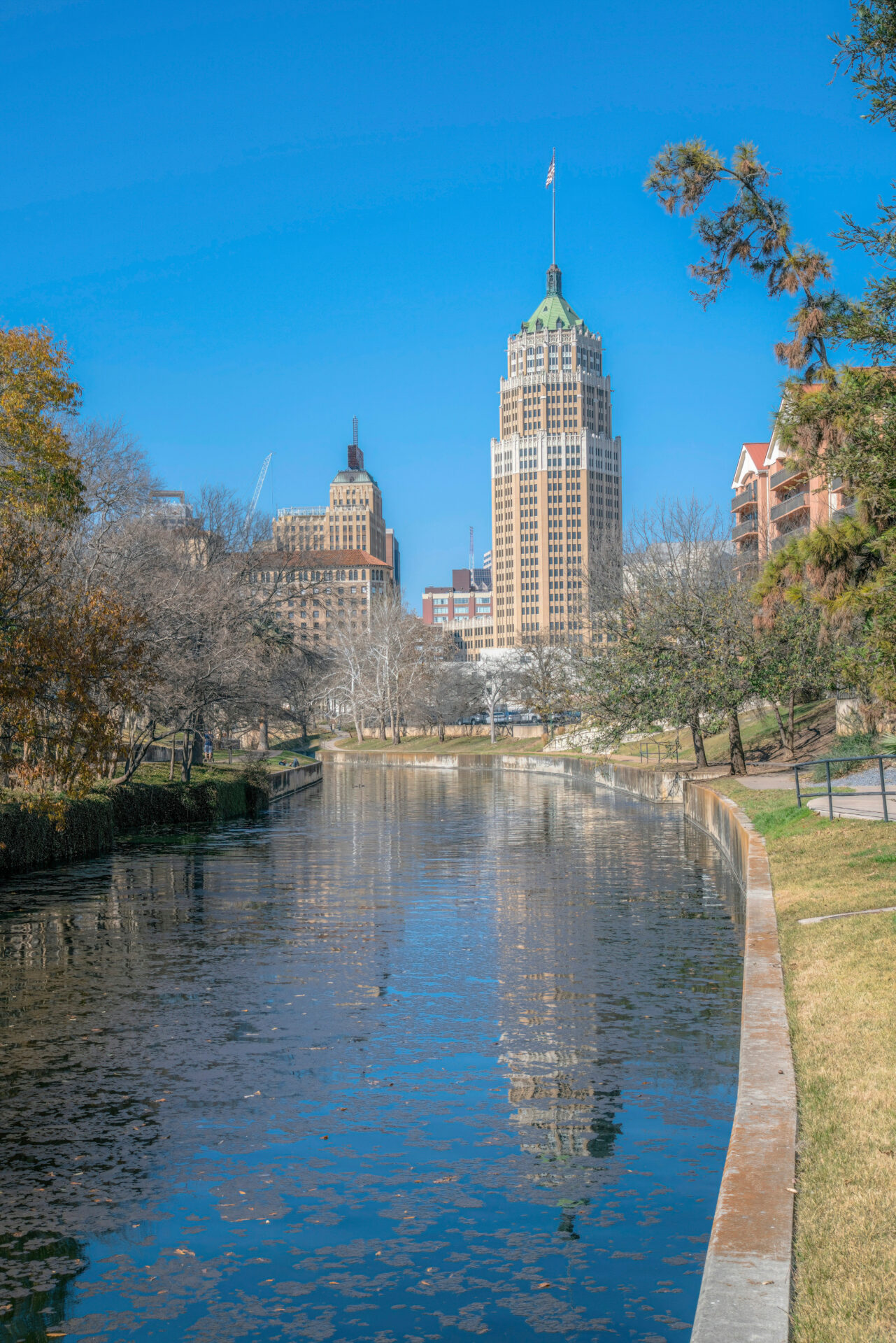
• Tower Life
• La Villita Assembly Hall
• Robert E. Lee Apartments
• Highpoint Tower
• Light and Print Building
• Be Kind and Rewind Bar
• Stumburg Block Restaurant and Office Building
Historic Preservation
• Travis Park Church
• Granada Homes
• Aurora Apartments
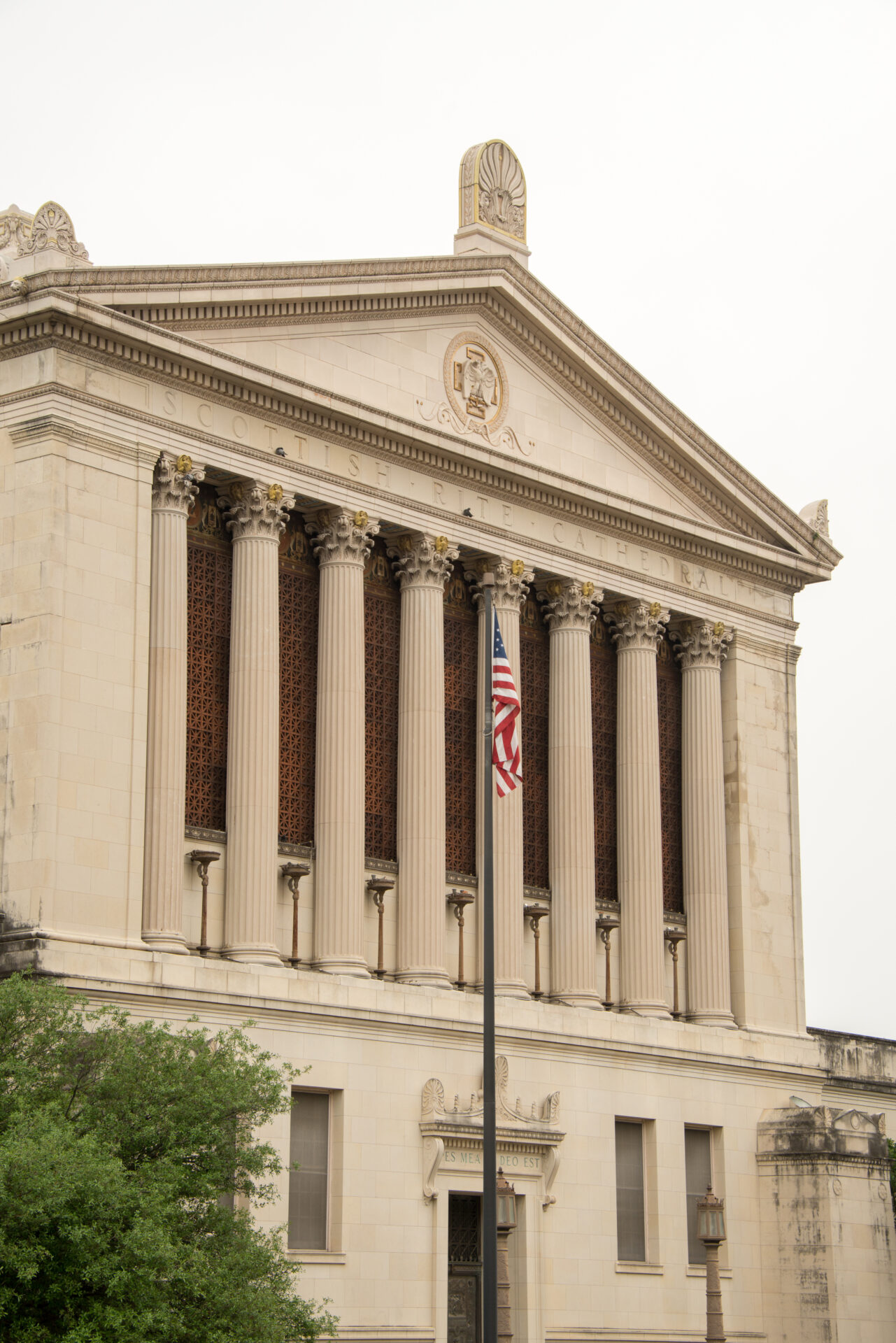
• Scottish Rite Cathedral
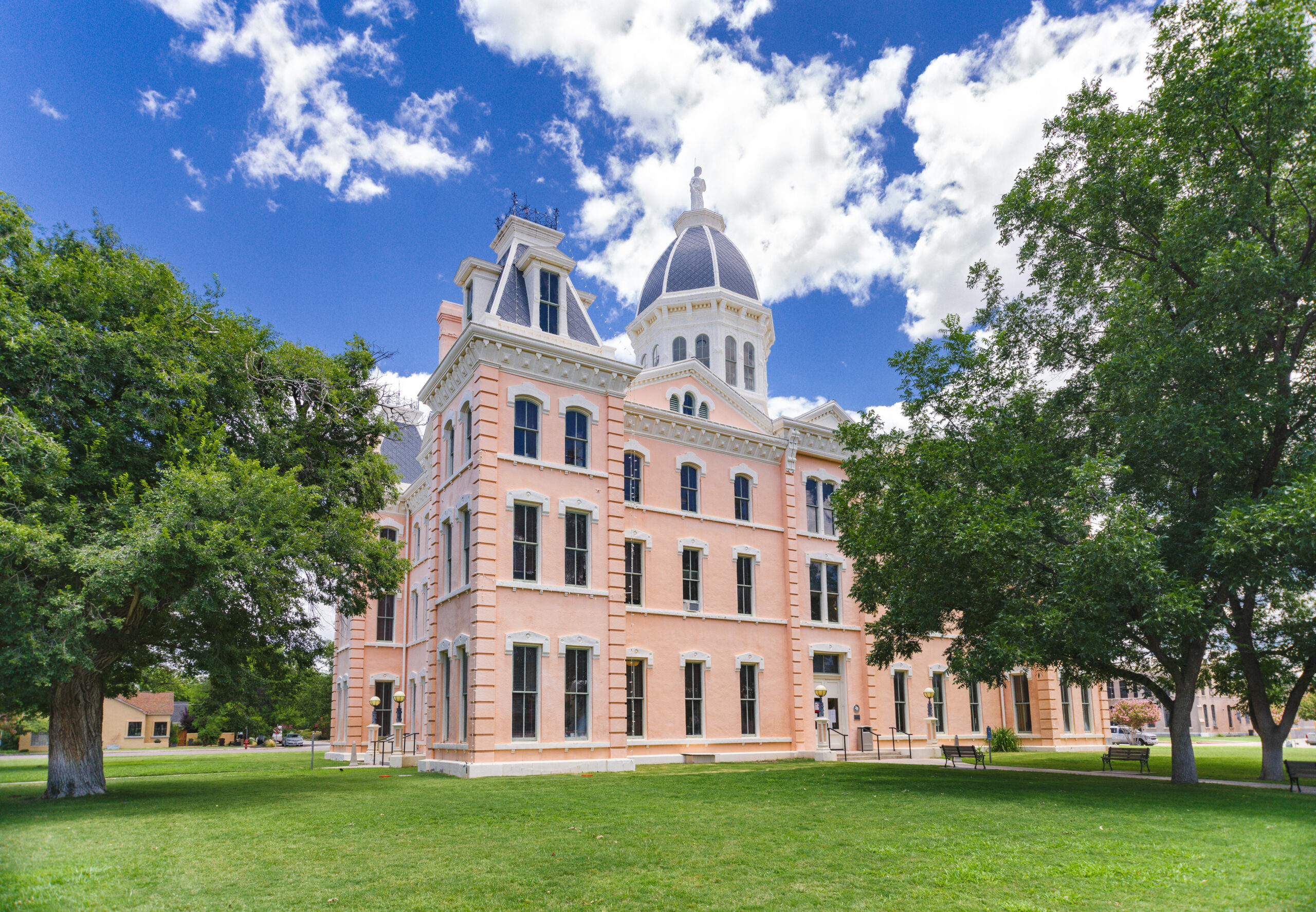
• Presidio County Courthouse
-
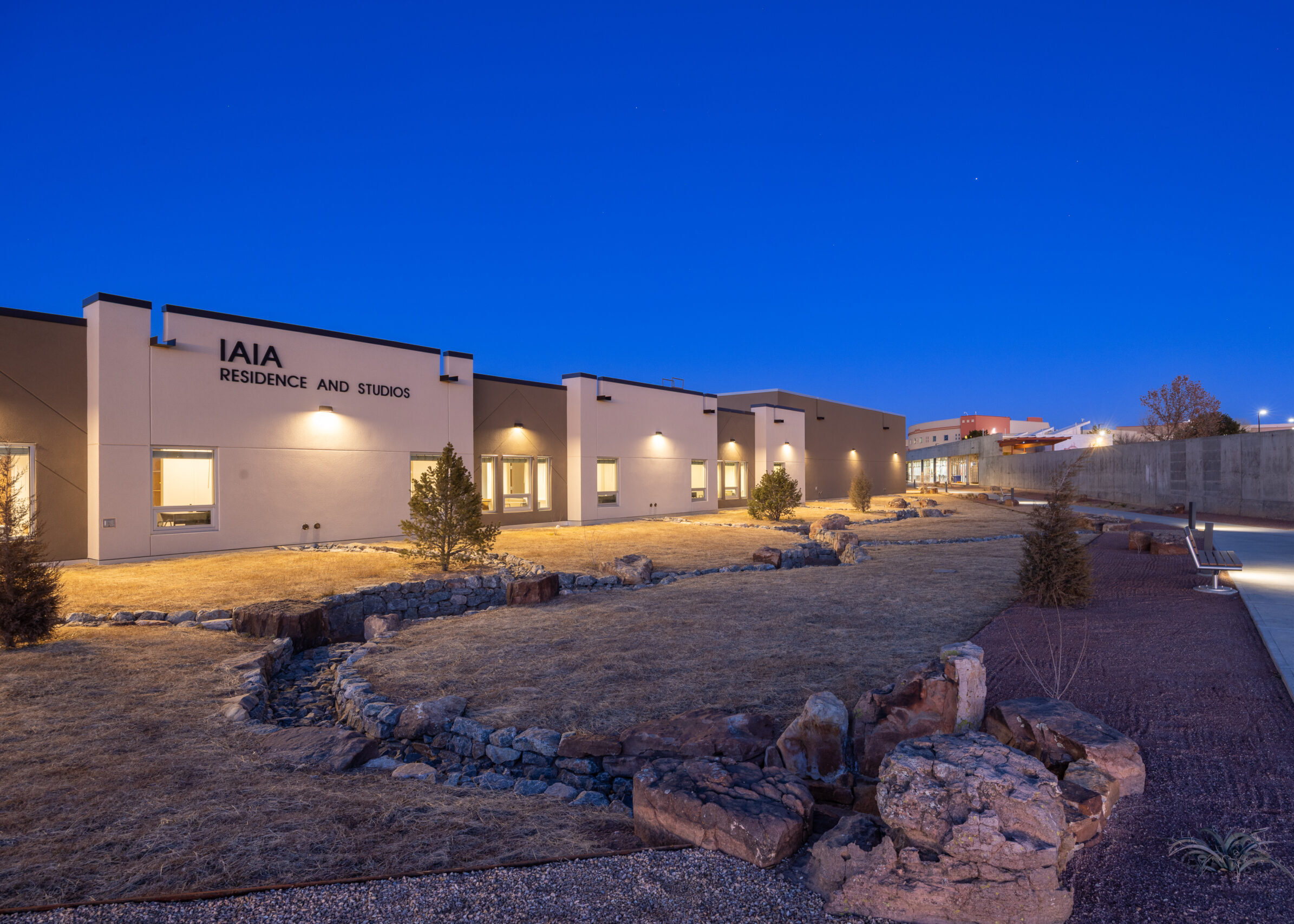 The Institute of American Indian Arts (IAIA) in Santa Fe, New Mexico, is a public tribal land-grant college founded in 1962, dedicated to advancing Indigenous...
 -
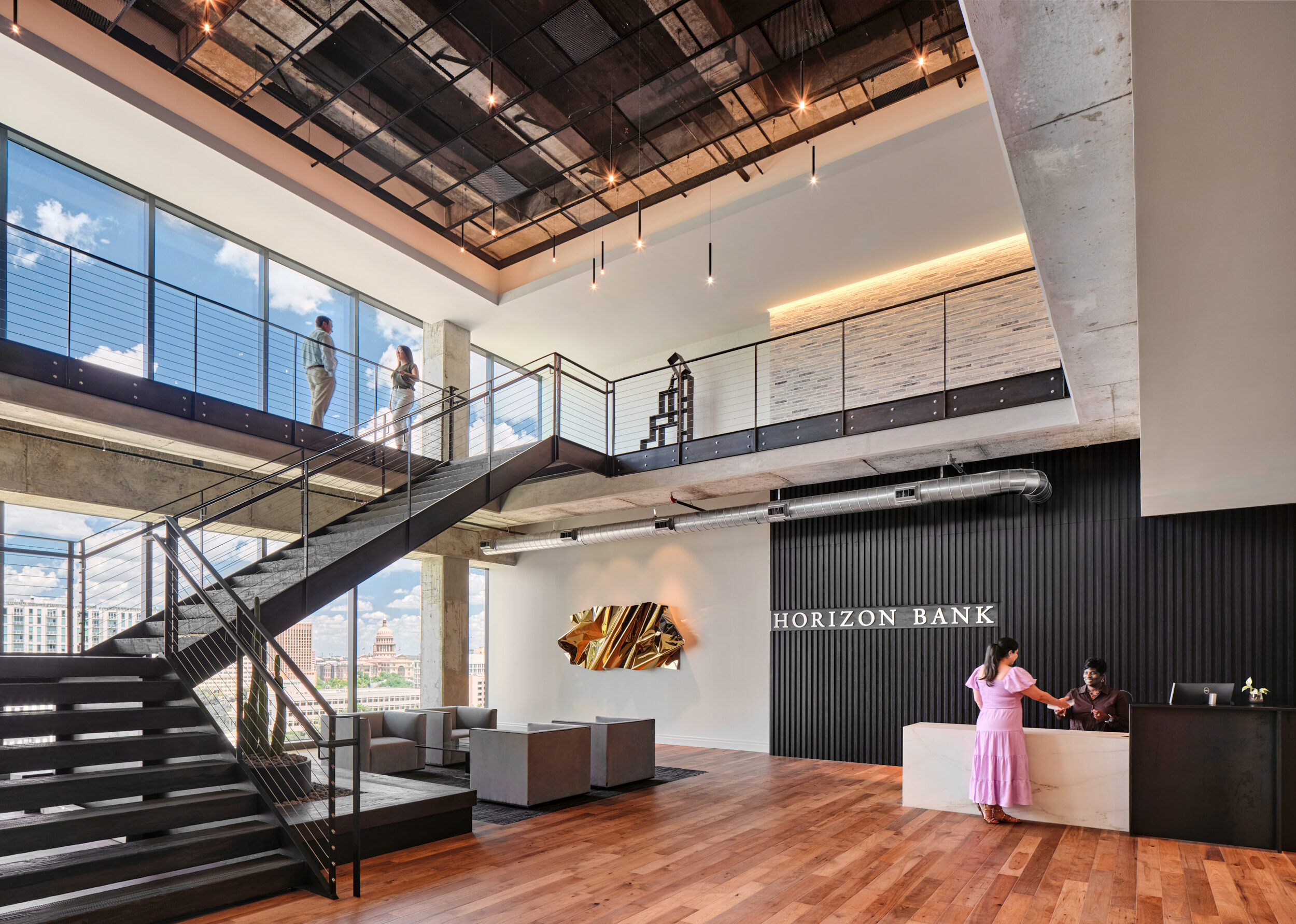 EEA provided MEP Engineering Services for the new LEED Silver, sixteen-floor (8 parking, 8 office) high rise office tower. The building consisted of four hundred...
 -
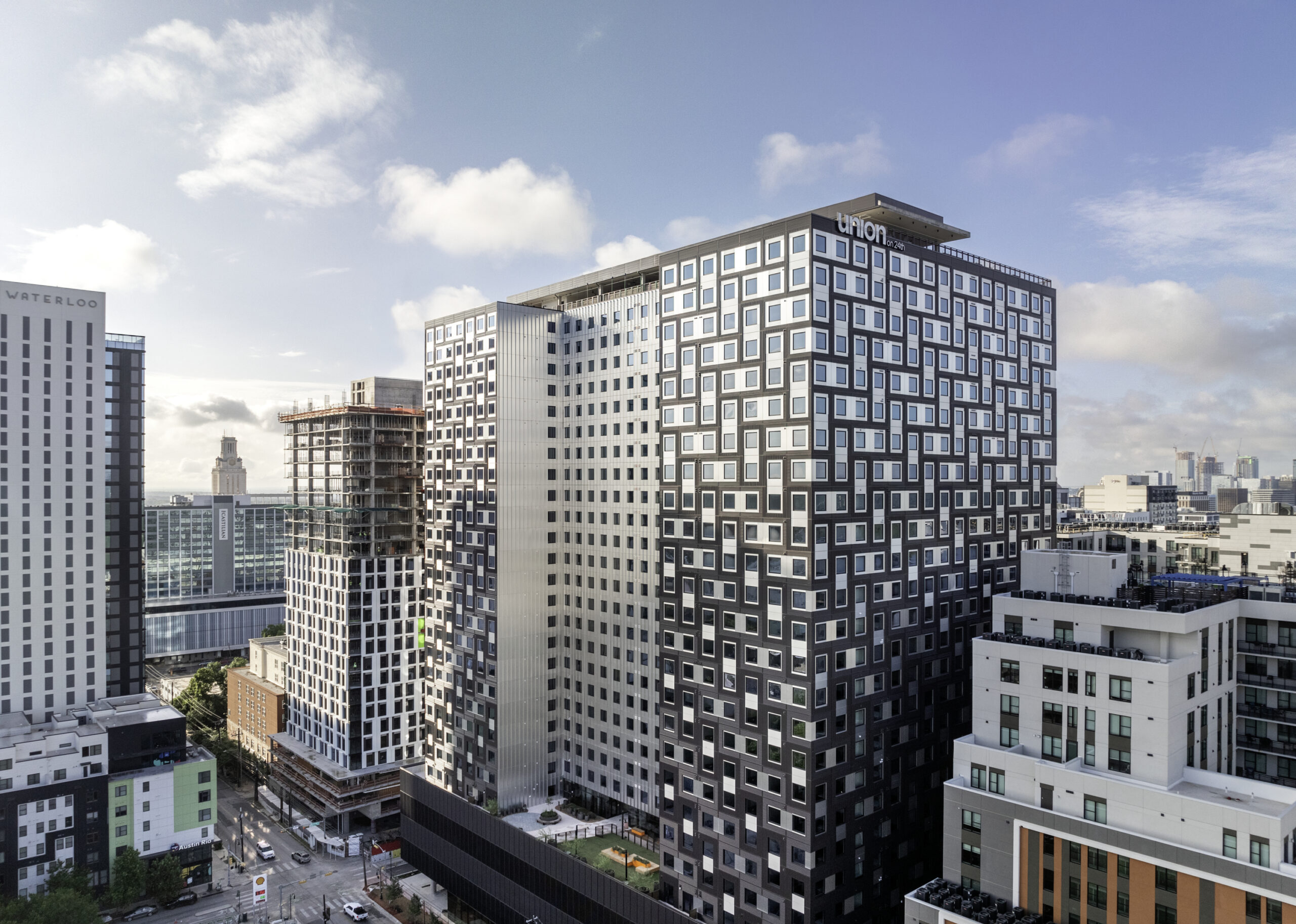 EEA delivered comprehensive MEP services for a 30-story student housing tower near UT campus. The building features approximately 475 residential units, with a rooftop activity...
 -
 EEA provided MEP engineering services for the development of a 26-acre signature park Brookfield Residential in Austin, Texas. The park contains the following areas/features: Pavilion...
 -
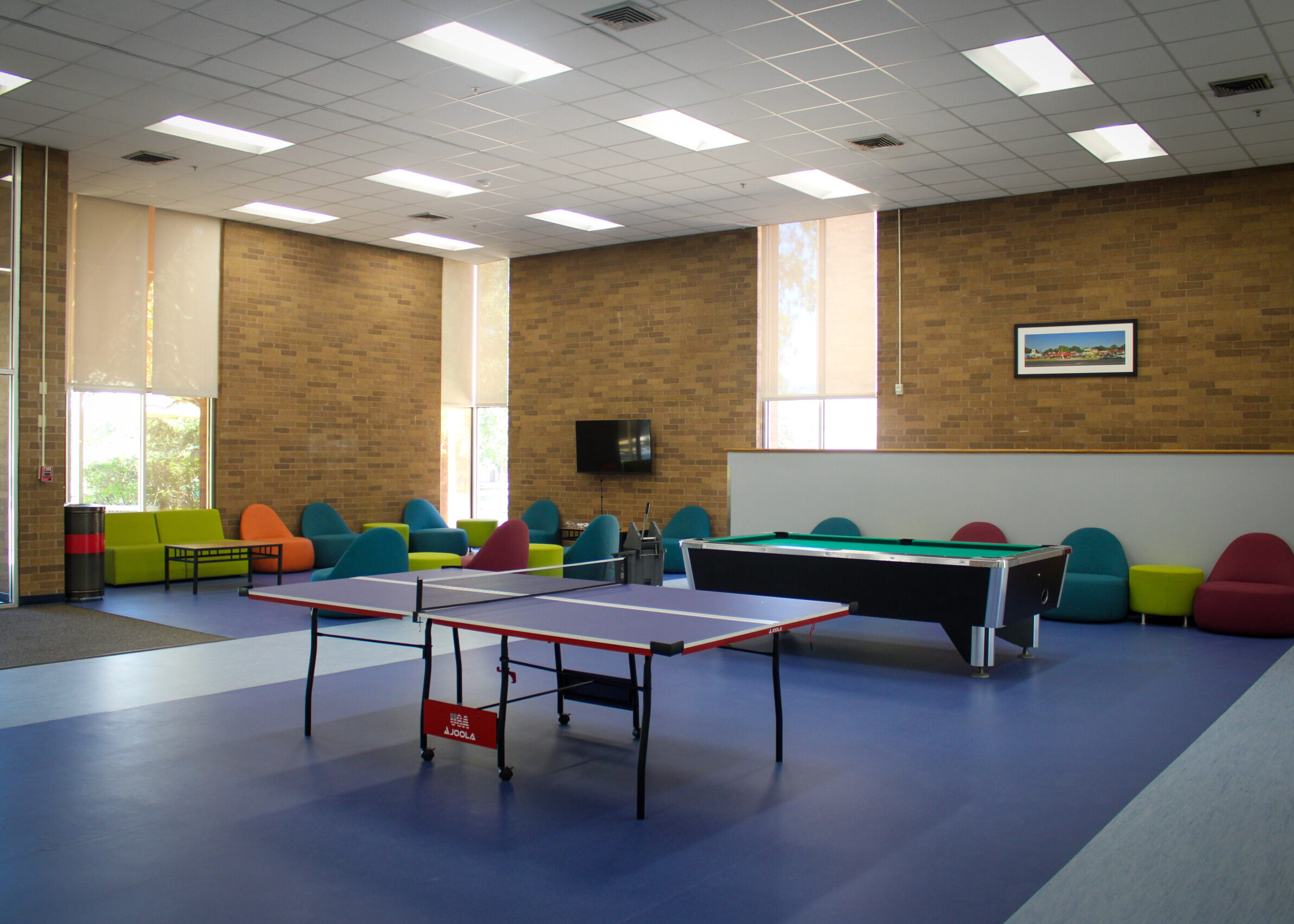 EEA's services included the targeted replacement of existing sanitary piping within 18 restrooms on the second floor of the residence hall, addressing multiple piping failures...
 -
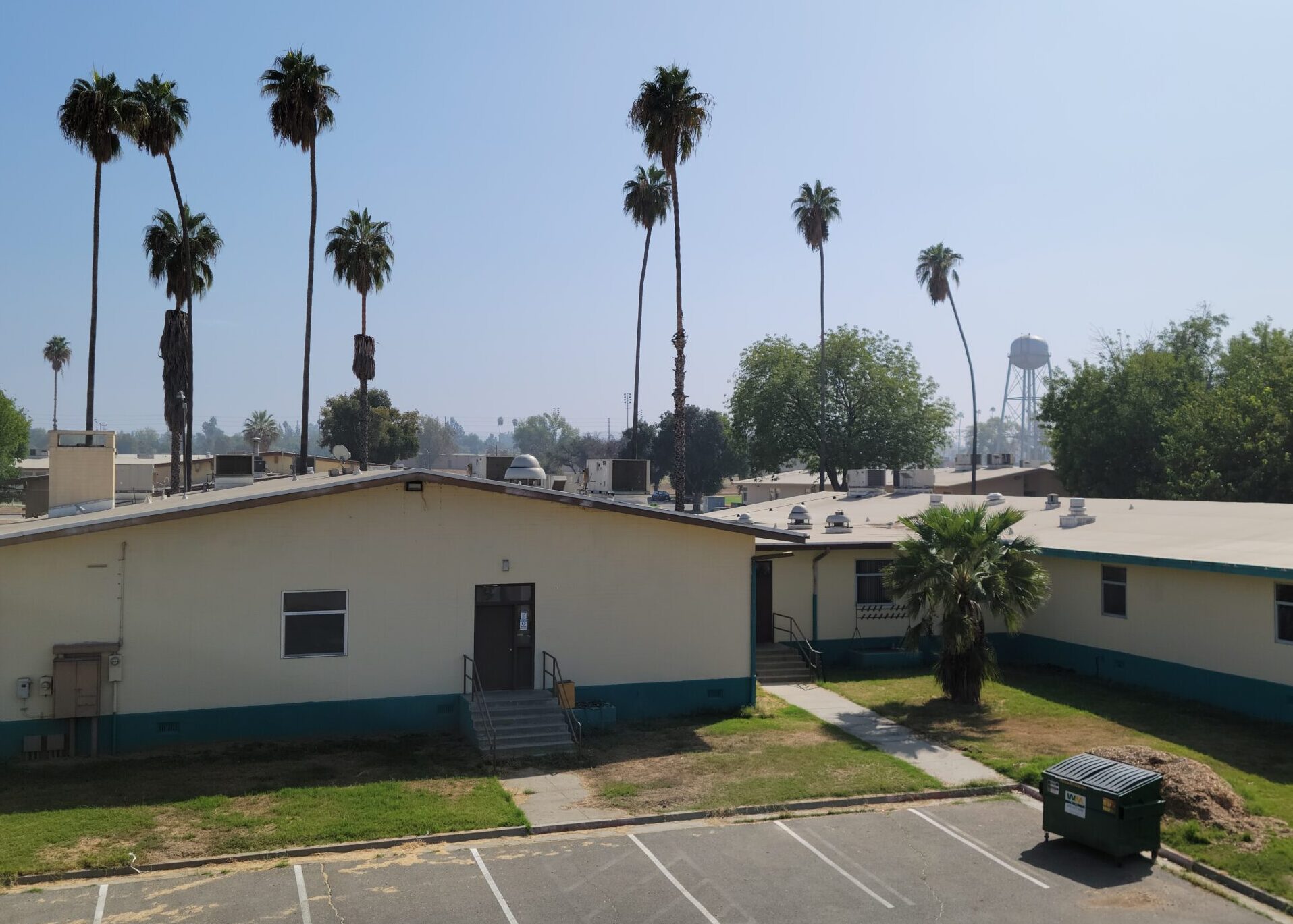 EEA played a pivotal role in revitalizing the existing high school by providing the conceptual and schematic design for electrical and plumbing renovations under the...